Intro
If you’ve had a customer ask about SOC 2, you’re not alone. Many growing companies first encounter it during a sales process, vendor review, or security questionnaire—and it can feel unclear and overwhelming.
This article explains SOC 2 in simple terms so you can understand what it is, why it matters, and how to start thinking about it.
What Is SOC 2?
SOC 2 is a framework used to evaluate how a company manages data and whether it has appropriate controls in place to protect systems and information.
A SOC 2 report is performed by an independent CPA firm and focuses primarily on security, along with other areas like availability and confidentiality depending on the scope.
At a practical level, SOC 2 is not about checking a box. It’s about demonstrating that your company has structured processes, controls, and oversight in place to operate responsibly.
Important
SOC 2 is not a certification. It is an independent report based on an evaluation of your controls.
Why SOC 2 Matters
SOC 2 has become a standard expectation for many businesses, especially those working with technology, data, or enterprise clients.
It matters because it helps:
- Build trust with customers
- Reduce friction during sales cycles
- Meet vendor and procurement requirements
- Show operational maturity
- Strengthen internal processes
Even when it’s not formally required, companies often lose opportunities without it.
Who Typically Needs SOC 2?
SOC 2 is most relevant for companies that:
- Handle customer data
- Provide software or cloud-based services
- Support enterprise or regulated clients
- Access or manage client systems
Common examples include SaaS companies, IT service providers, and data-focused organizations.
Not every business needs SOC 2, but if customers are asking security questions or sending vendor questionnaires, it’s often a sign that it’s becoming important.
SOC 2 Type I vs Type II (Quick Overview)
There are two main types of SOC 2 reports:
Type I
Evaluates whether your controls are properly designed at a single point in time.
Type II
Evaluates whether your controls are not only designed correctly but also operating effectively over time.
In most cases, a Type II report provides stronger assurance because it shows consistency, not just intent.
How to Start Thinking About SOC 2
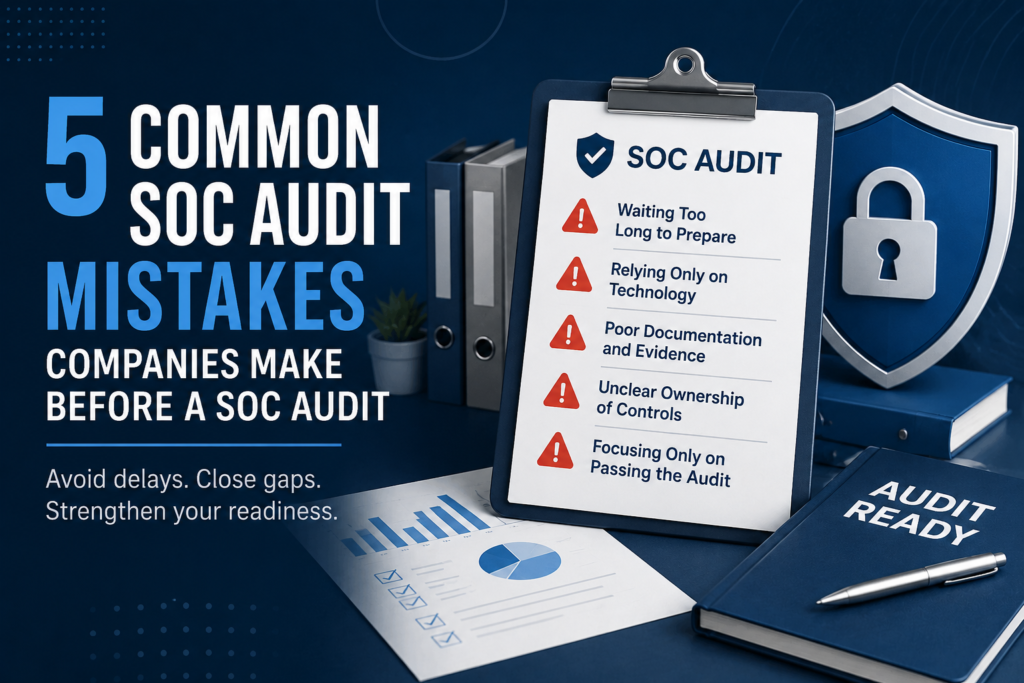
The biggest mistake companies make is jumping straight into an audit without preparation.
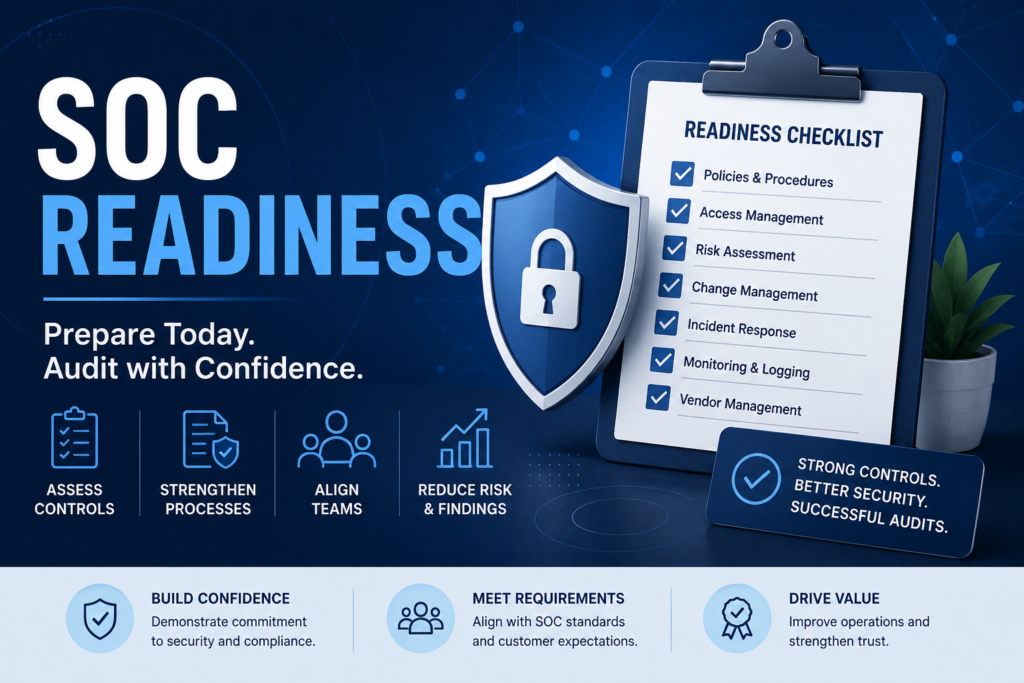
A better approach is to start with readiness:
- Understand what systems and services are in scope
- Identify what controls you already have
- Determine where gaps exist
- Build a plan to address those gaps
SOC 2 is much smoother when approached as a structured process rather than a last-minute requirement.
Final Thoughts
SOC 2 can seem complex at first, but at its core, it’s about demonstrating that your business operates with discipline, security, and accountability.
Companies that take the time to prepare properly not only complete the process more efficiently, but also gain real operational value from it.
Many organizations also align portions of their security and risk-management practices with frameworks such as the NIST Cybersecurity Framework to strengthen governance, improve consistency, and support broader security maturity initiatives alongside SOC readiness efforts.